Why consider eyelid surgery?
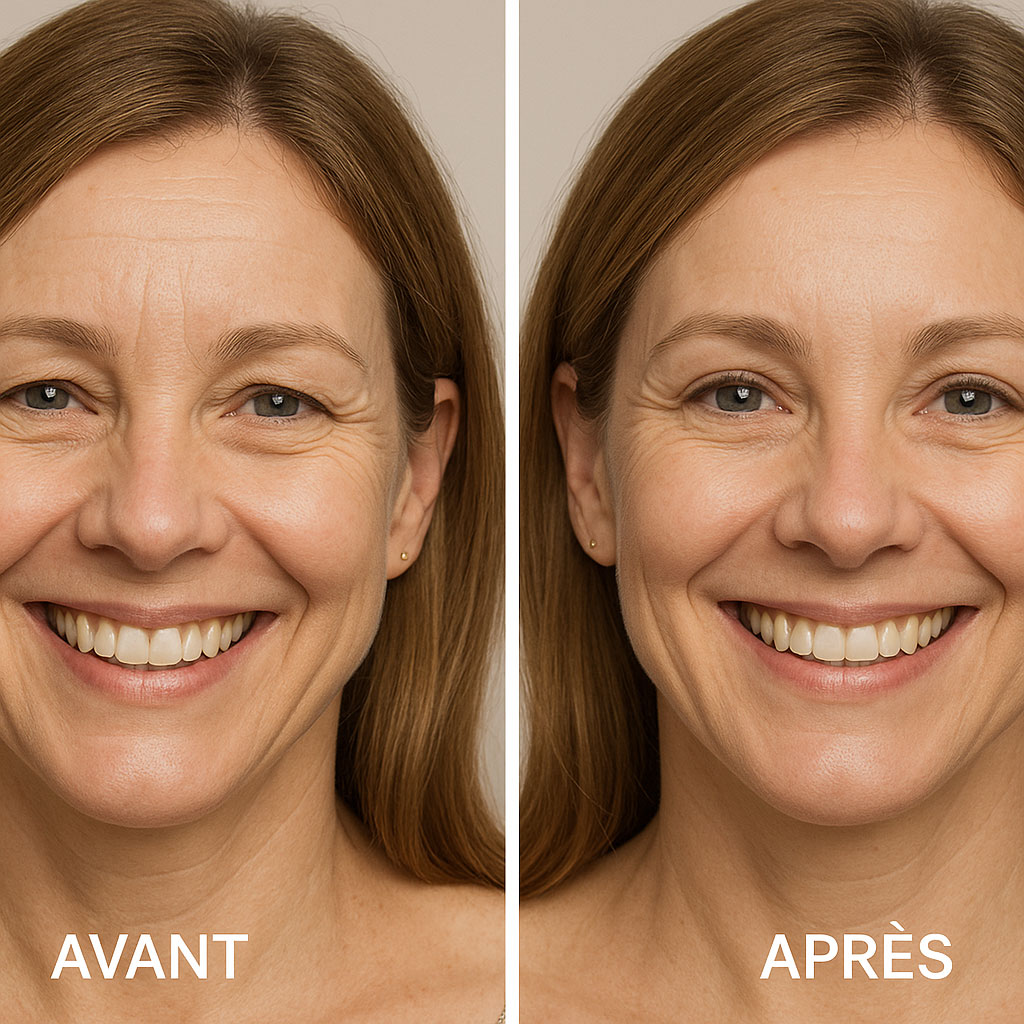
Blepharoplasty, also known as eyelid surgery, is a procedure that rejuvenates the appearance of the eyelids and improves their function. It leaves the eye area looking fresher and more defined. Tired eyes, heavy or drooping eyelids and bags under the eyes can be corrected, while the upper field of vision may also improve.
The procedure is usually performed under local anaesthesia with intravenous sedation. Blepharoplasty can be carried out on the upper eyelids, the lower eyelids or all four eyelids simultaneously.
Duration of treatment
45 minutes to 2 hours
Resuming physical activities
2 Days
Cost of treatment
From CHF 3700.–
Cost of treatment
| Blepharoplasty (upper eyelid surgery / drooping eyelids) | CHF 3'700.- |
| Blepharoplasty (lower eyelid surgery / under eye bags) | CHF 4'900.- |
| Blepharoplasty (upper and lower eyelid surgery) | CHF 7'200.- |
Book an appointment
Treatment procedure
During your initial consultation, we will discuss your goals and expectations.
We will review your medical history and determine the most suitable treatment approach for your individual needs.
You will also receive information about any limitations related to your medical history or the proposed treatment. We will discuss what to expect before and after the procedure, share our recommendations and explain how to respond if complications arise.
All important information will be provided both verbally and in writing, giving you the opportunity to clarify any questions and make an informed decision.
Some decisions take time. You may therefore receive a personalised cost estimate along with a treatment and payment plan before deciding how to proceed. We remain available to answer any questions you may have.
For cosmetic surgery, the type and depth of anaesthesia depend on the procedure and your medical history. The most suitable option is chosen in consultation with you and your surgeon. In some cases, a preliminary appointment with an anaesthetist is required.
You may be asked not to eat for six hours before your operation. Your anaesthetist will provide specific fasting instructions based on the type of anaesthesia planned. If these instructions are not followed, the procedure may need to be postponed. Open communication and mutual trust are essential for minimising risks throughout your treatment.
General anaesthesia
Under general anaesthesia, you are fully unconscious and do not feel any pain. The anaesthetist carefully monitors and manages your breathing throughout the procedure.
This type of anaesthesia is generally preferred for longer procedures, as it provides a greater level of comfort.
Sedation
Sedation allows you to relax deeply while remaining responsive to verbal and physical stimuli. Combined with local anaesthesia, it helps ensure a comfortable procedure without pain.
This method typically avoids intubation and may reduce some of the side effects associated with general anaesthesia.
Regional anaesthesia
Regional anaesthesia involves numbing a specific area of the body using local anaesthetic medication. You remain conscious during the procedure but do not feel pain in the treated area.
After a cosmetic procedure, it is normal for your body to respond. Some symptoms are common and generally not a cause for concern. More serious complications are rare, and our team is available to support you if they occur.
The following symptoms are usually normal:
- A slight increase in body temperature
- Minor bleeding through the dressings
- A mild increase in swelling or inflammation
Please contact us if you experience any of the following:
- A fever above 38.5°C accompanied by chills
- Significant swelling, particularly if it occurs on only one side
- Severe pain and redness around the treated area
Your recovery time depends on the type of procedure and your individual circumstances.
Everyone is unique, and the recovery process cannot always be predicted. You are experiencing both physical and emotional changes. Be patient and give your body the time it needs to heal. If you have any concerns, we are here for you.
Frequently asked questions
The shape of your eyes will not change. However, an additional procedure called canthoplasty can create a more almond shaped appearance.
Scars from upper eyelid surgery are barely noticeable because they are hidden within the natural eyelid crease. They may appear red for a few months before gradually becoming almost invisible.
Potential risks include bruising, asymmetry and infection. These complications are uncommon and can usually be treated effectively.
These two procedures are often confused, even by medical professionals outside ophthalmology.
Upper eyelid blepharoplasty removes excess skin and fat from the upper eyelid. Ptosis, by contrast, occurs when the upper eyelid droops and partially covers the iris or even the pupil, reducing the size of the eye opening. Ptosis surgery corrects this by tightening the muscle responsible for lifting the upper eyelid, thereby enlarging the eye opening.
Ophthalmic surgeons who have completed specialised training in oculoplastic surgery have the expertise required to perform ptosis surgery.
Both procedures are often combined in a single operation to address the different structures affected by ageing.
Lower eyelid blepharoplasty is generally considered a cosmetic procedure and is not covered by health insurance. In severe cases involving excess upper eyelid skin, drooping eyebrows or upper eyelid ptosis, health insurance may contribute to the costs.
Each case is assessed individually by the surgeon during a consultation that includes an eye examination. Particular attention is paid to the ocular surface and the anatomy and function of the eyelids to achieve a natural aesthetic result and minimise the risk of complications after surgery.
Patients who cannot stop taking anticoagulants or for whom sedation is not suitable receive personalised advice to determine the safest option.
In some cases, non surgical or minimally invasive treatments such as Botox injections, hyaluronic acid fillers, laser resurfacing or TCA peels may complement surgery or provide an alternative.
Dark circles and bags under the eyes are often the first visible signs of facial ageing, frequently appearing from the age of 30. Excess skin on the upper eyelids may become noticeable between the ages of 35 and 40. Some patients experience headaches or a sensation of heaviness in their upper eyelids. Drooping eyelids can also restrict the upper field of vision.
The right time for upper or lower eyelid blepharoplasty depends on your individual findings, personal wishes and how you feel about your appearance. Our specialists in oculoplastic surgery will be happy to advise you.